
When it comes to selling a home in the Dallas-Fort Worth area, timing is everything. The DFW market moves fast, and buyers are making decisions quickly. One of the most common questions we hear from sellers and real estate agents is: “How long does it take to stage a house?”
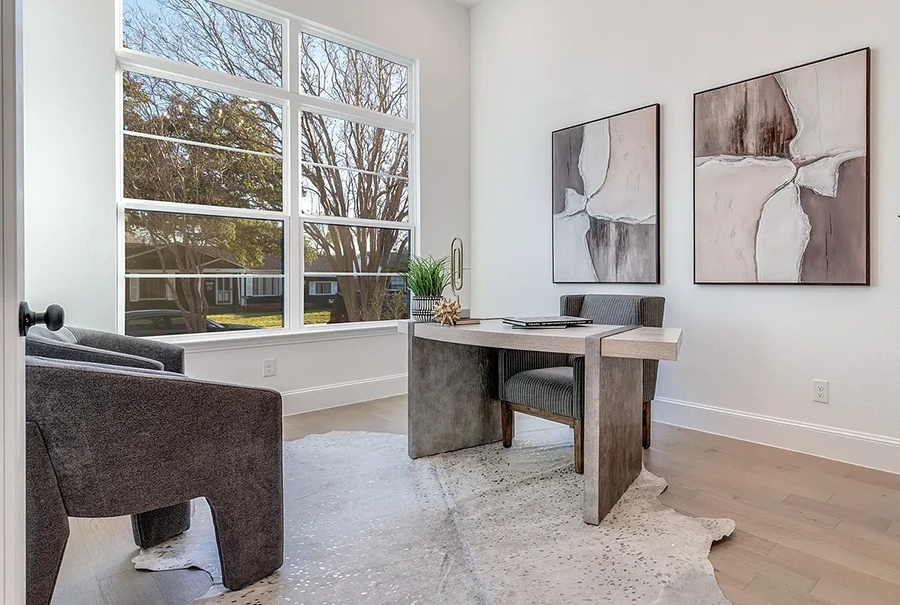
The short answer is that most vacant homes in DFW can be professionally staged in one to two weeks. The exact timeline depends on the size of your home and the amount of prep work needed before staging begins. The good news is that with the right staging company and local inventory, getting your home market-ready doesn’t have to take long at all.
How Long Does It Take to Stage a House?
The home staging process typically unfolds in a few phases: consultation and planning, furniture selection, delivery and setup, and final touches before photography. For a vacant home, the process often takes two to five days from the initial consultation to a fully staged space.
Here’s a general breakdown of how the timeline works:
Consultation and planning (Day 1–2): A staging professional walks through the home, evaluates the space, and puts together a design plan. This includes deciding which rooms to stage and selecting furniture and décor that fit the home’s style and target buyer.
Furniture selection and logistics (Day 2–3): Once the plan is set, the staging team pulls inventory and prepares for delivery. With a local warehouse and DFW-wide coverage, this step moves quickly when you work with a company that has furniture on hand, not weeks away in a catalog.
Delivery and installation (Day 3–5): The staging crew delivers furniture, arranges each room, and handles all the details, from artwork placement to accessory styling. Most setups are completed in a single day.
In many cases, a vacant home in the DFW area can go from empty to fully staged and photo-ready in as few as three to five business days.


What Factors Affect Home Staging Timelines?
Not every home stages at the same speed. A few factors can push the timeline shorter or longer:
Home size: A smaller condo or townhome stages faster than a 4,000-square-foot custom home. Larger properties require more furniture, more coordination, and more time on installation day.
Vacant vs. occupied: Vacant homes are the fastest and cleanest to stage, and this is why many professional staging companies, including Charter, specialize exclusively in vacant properties. When personal belongings and existing furniture are still in the home, the staging team can’t fully control the presentation. There are also liability concerns around working near a homeowner’s possessions, and the end result is rarely as polished or photo-ready as a fully staged vacant space. When a home is empty, the staging team has complete control over every element, from furniture scale to traffic flow to how each room photographs. For sellers who want the fastest timeline and the strongest visual presentation, vacating the property before staging begins makes a significant difference.
Cleaning and repairs: If the home needs deep cleaning, fresh paint, or minor repairs before staging, those steps must be completed first. Trying to stage a messy or unfinished home slows down the process and reduces the staging’s impact.
Access and scheduling: Coordinating access to the property, particularly for new builds with active construction, can add a day or two to the process.
Luxury or custom staging needs: High-end listings in areas like Frisco or Plano may call for custom furniture selections or specialty décor pieces that require additional lead time.
What Happens During the Home Staging Process?
Understanding what actually happens during staging can help you plan ahead and avoid last-minute surprises.
It starts with an initial walkthrough, where a staging consultant visits the home and notes the layout, natural light, existing features, and target buyer profile. From there, the design team puts together a furniture and décor plan specific to your home, keeping the buyer experience at the center of every decision.
Next, the logistics team coordinates delivery, pulling from local inventory to match the design plan. On installation day, the crew arrives and sets up every room included in the staging package. This includes furniture arrangement, bedding, artwork, lighting, and all the small details that make a home feel like a place buyers can picture themselves living in.
Once the staging is complete, your home is ready for professional listing photography, which is typically scheduled within a day or two of the staging installation. Strong photos are one of the biggest drivers of online traffic for any listing, and staged homes consistently photograph better than empty or cluttered ones.
Does Staging a Home Really Work?
Yes, and the data backs it up. According to the National Association of Realtors, 83% of buyers’ agents say that staging a home helps buyers visualize the property as their future home. That’s not a small number. When a buyer can walk into a space and immediately imagine their life there, they’re more likely to make an offer, and more likely to make a strong one.
The NAR’s Profile of Home Staging also reports that nearly half of all real estate agents say staging reduces a home’s time on the market. Homes that sit too long start to raise questions in buyers’ minds. Getting to market fast, with great photos and a well-staged interior, helps you avoid that problem entirely.Staging also directly improves the quality of online listing photos. Since most buyers start their home search online, the first impression your home makes is almost always a digital one. A staged home gives photographers more to work with and produces images that stand out in crowded search results. You can read more about the benefits of home staging and how they translate to real results for sellers.
Don’t forget outdoor spaces. Highlight pathways, gardens, or patios with landscape lighting to extend a home’s charm beyond the interior. A well-lit outdoor area can suggest additional living space, which is an important selling point for potential buyers.


Why Fast Home Staging Matters in the DFW Market
The DFW real estate market is one of the most active in the country. Suburbs like Frisco, McKinney, Plano, and Fort Worth attract relocation buyers from across the country, many of whom are buying on tight timelines and making decisions after just one or two showings. In markets like these, the window to make a strong first impression is narrow.
Getting your home staged and listed quickly matters for a few reasons. First, it reduces carrying costs. Every week a home sits off the market is another week of mortgage payments, utilities, and insurance. The faster you list with a strong presentation, the sooner you can start generating traffic and offers.
Second, the Dallas-area market rewards well-prepared listings. Buyers touring multiple homes on the same weekend are comparing every detail. A staged home that photographs beautifully and shows cleanly is a distinct competitive advantage, even in a strong seller’s market.
Finally, for builders and developers preparing new construction or spec homes in communities across Collin County and Tarrant County, fast staging keeps projects on schedule and helps close out inventory at the pace the market demands.
How Charter Home Staging Helps DFW Sellers Move Faster
At Charter Home Staging, we’ve built our entire operation around speed and quality in the DFW market. We maintain local furniture inventory, which means we’re not waiting on shipments or back-ordered pieces when your listing needs to go live. Our team can typically complete delivery and installation within three to five business days of a confirmed staging order.
We offer full-service staging, covering everything from the initial consultation and design plan to delivery, setup, and removal upon sale of the home. You don’t have to coordinate multiple vendors or manage logistics yourself. We handle it all.
Our staging packages are designed for DFW properties at every price point, from starter homes in Fort Worth to luxury listings in Frisco and McKinney. We cover the entire metro area, and our team knows what buyers in each submarket are looking for. That local knowledge shows up in every staging decision we make, from furniture scale to color palette to how we handle outdoor living spaces.We also offer flexible staging terms, so you’re not locked into a long-term contract if the home sells quickly, which staged homes often do. Home staging statistics consistently show that professionally staged listings move faster and attract more competitive offers. We’ve seen that play out across hundreds of DFW properties.


FAQs about Home Staging Timelines
How long does it take to professionally stage a house?
Most professionally staged vacant homes in DFW are ready within three to seven business days of the initial consultation. Larger or more complex properties may take closer to two weeks, but with local furniture inventory on hand, timelines stay short. Occupied homes generally take longer due to the added coordination involved.
Can a home be staged in a few days?
Yes. For vacant homes that are clean and ready, we can often complete staging within three to five business days. The key is having local inventory available and a clear design plan from the start. Rush timelines may be available depending on scheduling.
Do staged homes really sell faster?
According to the National Association of Realtors, nearly half of real estate agents report that staging reduces a home’s time on the market. Staged homes also tend to attract more online attention because they photograph better, which drives more showings and stronger offers.
Is vacant home staging worth it?
Vacant home staging is one of the highest-return investments a seller can make. Empty rooms are difficult for buyers to connect with emotionally, and they often appear smaller in listing photos. Staging a vacant home helps buyers visualize how they would use the space, which speeds up the decision-making process.
What happens during home staging?
The process starts with a walkthrough and design consultation, followed by furniture and décor selection. On installation day, the staging crew delivers everything and sets up each room, including furniture, bedding, artwork, and accessories. The home is then ready for listing photography.
How far in advance should I schedule staging?
Ideally, you should schedule your staging consultation at least one to two weeks before your target listing date. This gives the staging team enough time to plan, pull inventory, and complete installation without rushing. If your timeline is tighter, reach out to us, and we’ll do our best to accommodate.
Get Your Home Market-Ready Faster
If you’re preparing a home for sale in the Dallas-Fort Worth area, don’t wait on staging. The sooner your home is staged and photographed, the sooner you can go live and start attracting buyers.
Whether you’re a homeowner getting ready to list, a Realtor preparing a new listing, or a builder closing out spec inventory, Charter Home Staging is ready to help you move fast. Contact us today to schedule a staging consultation or request a quote. We’ll walk through your home, put together a plan, and get your listing looking its best as quickly as possible.
